Table Of Content

Arborvitaes (Thuja spp. and cvs., Zones 3–9), for example, hold up quite well in dry conditions once established. Even many bulky perennials with extensive root systems—such as alliums, calamints, and ornamental grasses—are suitable for dry gardens as long as they have the space to share resources. Select plants that require less water such as natives, sedums, succulents, and ornamental grasses. Natives have an added bonus of attracting local pollinators and birds to your garden.
Drought-Tolerant Landscaping Ideas
Deep red bracts surrounding attractive cone-like flowers top the branches from late winter into spring. A great frost and drought tolerant accent for minimal-care, low-water landscapes. Smooth, blue-green leaves with yellow-edged, red margins form a single, symmetrical rosette.
Drought-Tolerant Shrubs
The foliage is narrow, sometimes bladelike, and exudes a soft appearance akin to feathers. This creates the perfect staid backdrop for the various colorful blooms to pop. Yellow and purple are opposites on the color wheel, so planting the golden-hued yarrow with the lilac Russian sage and plum-colored Tennessee coneflower creates striking visual impact.
DROUGHT TOLERANT GARDEN IDEAS
When there’s little to no turf or grass, you can save more money on water, fertilizer, and anti-weed treatments. A xeriscaped garden still needs some maintenance, such as pruning and water, but you’ll be saving money on several different components. For example, by using gravel and rocks as mulch, you’ll retain sufficient moisture, and as an added benefit, you won’t have to replenish them annually as you would with wood or bark mulch. Some individuals decide to have a professional irrigation system installed to keep their outdoor space adequately hydrated. These systems often deliver the water beneath the ground to avoid water wasted from evaporation. It’s also worth considering paved areas that allow water to pass through and flow naturally to where it’s needed.
Water Conservation
Water-wise refers to landscaping with plants that grow well in a garden that manages water sensibly. You also may hear of drought-tolerant landscaping referred to as desert landscaping or dry gardening. Brock also suggests pairing rock gardens with drought-tolerant varieties like ice plants, blue fescue, or sedum to create an eye-catching display of texture and color. Maybe you're concerned about drought in your area or perhaps it's a case of opting for drought tolerant planting ideas as you no longer want to spend time watering your yard every day. Either way, find out what the experts have to say about drought-tolerant landscaping and what you can learn about making your own backyard more climate friendly.

Unlike other types of landscaping, with xeriscaping, there is a limited amount of turf or grass, and water-efficient plants get priority. Soil amendments and mulches are also equally as common in xeriscaping as they are in other types of landscaping because they help the ground retain moisture. Xeriscaping still promotes biodiversity similar to other types of landscaping; however, this landscaping goes beyond the cacti, and gravel people typically expect when they hear this term. A garden that uses xeriscaping principles might include a wide variety of plants or a single type, and some of the plants that fit with this style of gardening look surprisingly lush.
Desert Eve™ Yellow Yarrow
You can always amend your soil by adding compost, sand, and other substances until it’s just right for your garden. You can’t completely change the soil into something alien to your area, but you can spruce it up a bit so that your plants will grow better. First, determine the growing seasons in your area, as this provides valuable cues for planting, fertilizing, and other maintenance to expect.
Here, a collection of water-wise plants, including lavender, catmint, goat's beard, and lady's mantle, all require minimal water to create a lush-looking garden. This drought-tolerant garden uses several water-saving strategies. A mix of tough but colorful perennials such as the red-flowered penstemon don't require much supplemental moisture to thrive. Several varieties of evergreens that don't mind dry conditions offer structure, height, and color. An oversize boulder fills in a gap between the plants, adding an unexpected focal point.
Establish your planting well
A frost-tender evergreen that thrives in sunny coastal climates. This mounding succulent adds exotic texture and color wherever it is featured. Foliage coloration can fluctuate with green and deep purple-red tones seasonally.
Bugleweed plants grow in a wide range of conditions and can become a rampant spreader, but is better controlled by planting in challenging sites and withholding water. Add a layer of mulch around plants to retain moisture, cool the soil, and suppress weeds. Densely planted flowerbeds help shade soil, which slows moisture from evaporating in the sun's heat. The closely spaced plants also crowd out weeds, reducing the need for mulch.
Why Garden with California Native Plants: Tips from DWR Landscape Architect Cassandra Musto - California Department of Water Resources
Why Garden with California Native Plants: Tips from DWR Landscape Architect Cassandra Musto.
Posted: Wed, 10 Jun 2020 07:00:00 GMT [source]
A cheerful-looking wildflower, the Black-Eyed Susan brightens gardens with its large, daisy-like blooms. This flower features dark brown centers surrounded by golden yellow petals. With its spreading habit, Bugleweed is ideal for filling in bare spots under trees or shrubs. It creates a dense carpet of foliage that helps suppress weeds. Geraniums are a group of long-lived perennials that offer a variety of colors, shapes, and sizes. The many species of geranium can be tall and stately for borders, low-growing for edging, or even trailing varieties for containers.
Use MulchMulch is one of the best landscaping tools for growing healthy plants and conserving water. It aids root development, prevents erosion, suppresses weeds, moderates soil temperature, adds nutrients, reduces moisture loss through evaporation, and enhances your landscape design. There are both organic and inorganic mulches, such as compost, bark chips, and rocks. Order or download our Guide to Yard Care to learn the best ways to use mulch.
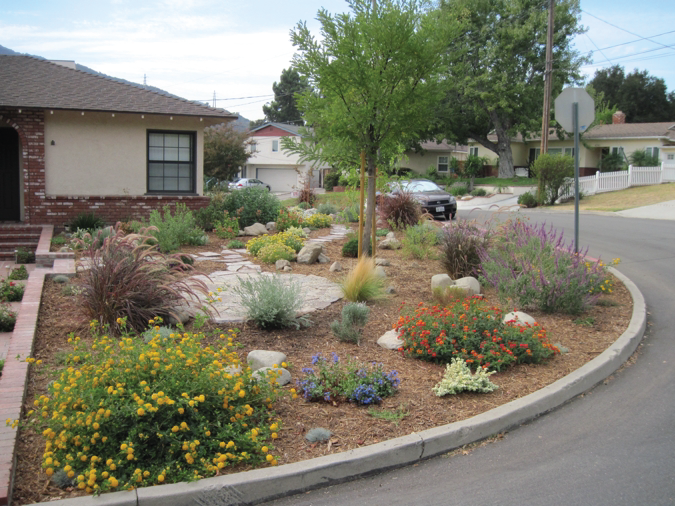
Either way, make a sketch that includes dimensions, and lists any existing trees and plants you want to keep, as well as any hardscaping and any other permanent features that need to stay. It's good to know that you can create resilient drought-tolerant landscaping ideas in dry conditions, but it all comes down to proper planning. Gardeners in hot climates know that growing roses when temperatures soar can be a challenge. Fortunately, there are some rose varieties that tolerate heat better than others.
By selecting drought-tolerant native trees that are well-suited to your climate, it's easy to create a beautiful, resilient landscape that conserves water and supports local ecosystems. When selecting plants for your yard, choose species that are well-suited to your climate and soil conditions. Look for plants that have low-to-moderate water requirements and are adapted to drought-like conditions. As part of your drought-tolerant yard design, group plants with similar water needs together for ease.




No comments:
Post a Comment